How to Choose a Quad Bike Desert Tour in Dubai
Choosing a quad bike tour dubai visitors enjoy starts with a simple question: what kind of ride do you actually want? The desert can feel gentle and wide open, or fast, dusty and technical. A good match depends on your riding experience, the time of day, the route, the level of guidance and the way safety is handled. Work through the points below in order, and each choice will narrow the next one.
Start with your riding experience
Be honest about what you can handle before looking at any other detail. A first timer should look for a route that begins on flatter ground, with a calm pace and clear instructions from a tour guide. Experienced riders may want longer stretches over desert terrain, more varied dunes and fewer stops. The gap between these two styles matters, because a demanding route can turn a fun outing into a tense one.
Think about control, not just speed. Can you steer smoothly, brake without panic and stay steady when the bike shifts under you? If the answer is unsure, choose a shorter route with more support. A confident beginner will get more from a well paced ride than from a difficult route that feels rushed. When comparing options, note how the ride is described. Words like beginner friendly, intermediate or experienced are useful only if the pace and terrain match those labels.
Decide what kind of desert ride you want
Quad biking can mean different things. Some rides focus on open sand and steady cruising. Others include dune bashing sections, photo stops or a mix of terrain. Decide which part appeals most. If you want space to ride and take in the view, look for a route that is not packed with extra activities. If you enjoy variety, a route with changing dunes and short stops may suit better.
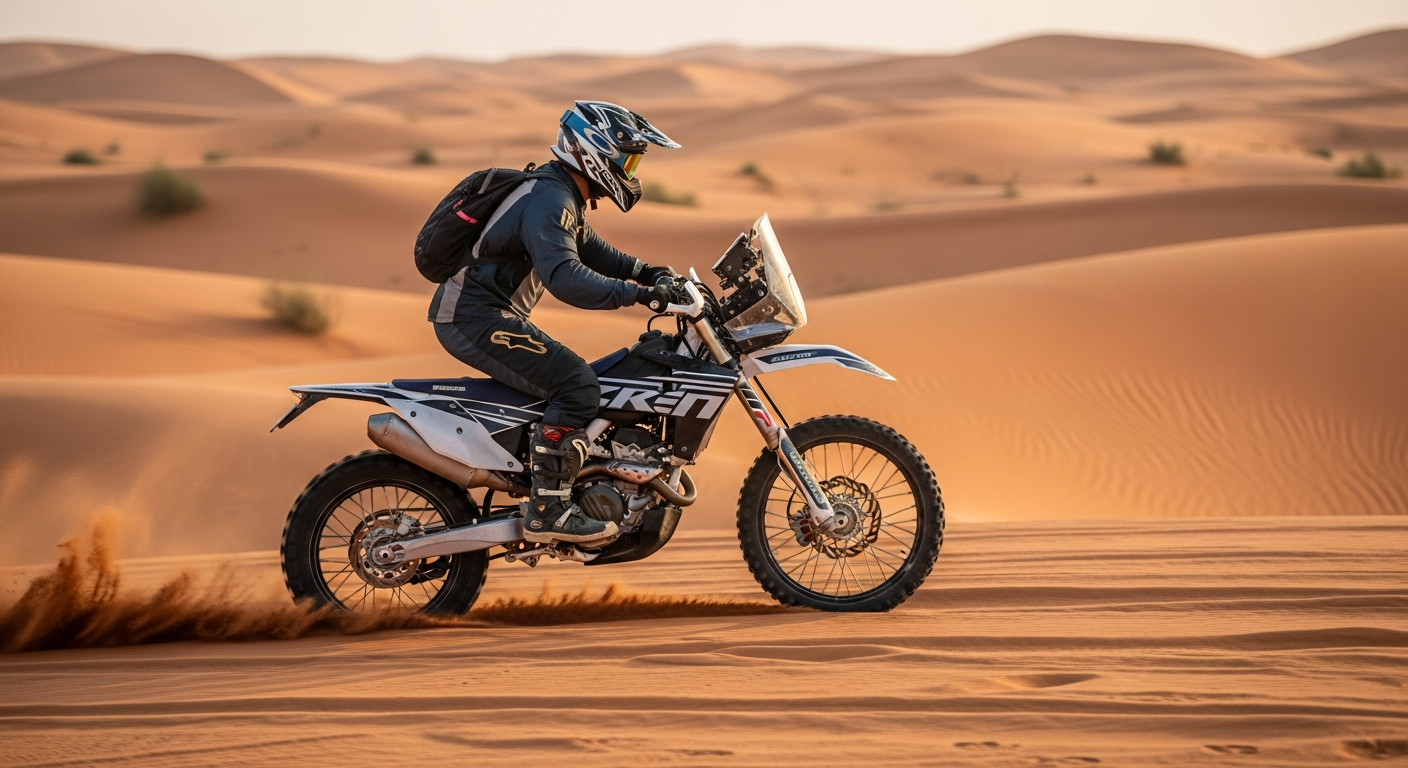
Time of day changes the experience. A morning ride often feels cooler and clearer, with softer light across the dunes. Late afternoon can bring warmer sand and longer shadows, and the desert wildlife may be more noticeable around quieter edges of the route. Midday heat can make even a short ride tiring, especially for new riders. Match the timing to your comfort, not only to what fits the schedule.
AL Qudra Tours may come up while you compare names, but the name alone should not settle the decision. Look at the ride format and ask whether it fits the way you want to spend your time.
Check the route and terrain carefully
The route is one of the most practical details to compare. Ask how long the ride runs, how much of that time is actually on the bike and where the route begins. A long package can still include short riding time if there are many stops. A shorter option may feel better if it keeps the riding continuous.
Pay attention to the desert terrain. Soft sand needs more balance and smooth throttle control. Firmer ground is easier to read, but ruts and hidden dips can still catch riders out. Dune slopes require judgment and a steady line. A route that crosses varied ground can be rewarding, but it also asks more from the rider. If you are new to this, ask whether the route avoids steep dunes and tight turns.
Also consider the surroundings. Open desert gives a sense of space, but it can be disorienting when the light changes. A route with clear markers and a guide who keeps the group together is easier to follow. If photography matters, ask whether there are safe places to stop away from moving bikes.
Look closely at safety basics
Safety should shape your choice from the start. A proper safety helmet is basic equipment, and it should fit well rather than simply be present. A helmet that rocks around or presses too hard will distract from the ride. Check whether gloves, eye protection and clear riding instructions are part of the setup. Loose clothing can catch on handlebars or footrests, while open footwear offers little protection.
A thorough safety briefing should explain hand signals, spacing, what to do if you fall behind and how to stop safely. Listen for clear rules about overtaking, sudden turns and keeping distance. The best briefing is short, direct and easy to remember once you are on the sand.
Sand driving techniques also matter. Riders should be told to keep steady momentum, avoid sharp steering on soft sand and slow down before a turn rather than halfway through it. If those points are never mentioned, the ride may rely too much on trial and error. That is not a good sign for a beginner, and it can affect the whole group.
Before committing, ask what happens if conditions change. Wind can blow sand across the route, heat can wear riders down, and a bike may develop a fault. A sensible plan includes a guide who can adjust the pace, regroup the riders and stop when needed.
Understand the bike without overcomplicating it
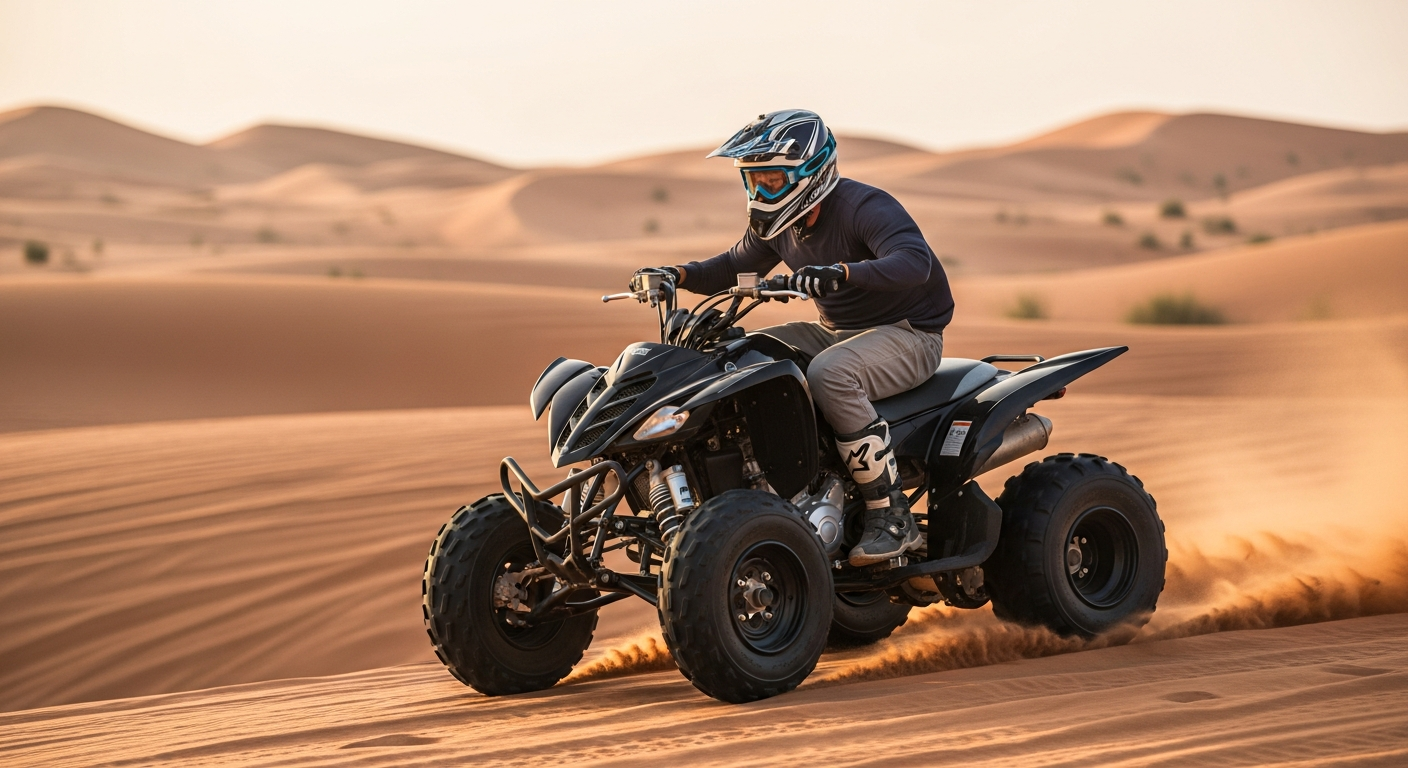
Most riders do not need technical specifications, but the quad bike engine does affect the feel of the ride. A smaller engine is often easier for newcomers because power delivery is gentler. A larger engine can feel strong and responsive, which is enjoyable for experienced riders but less forgiving on uneven sand. The key is not the biggest machine, it is the bike that matches your strength, balance and judgement.
Ask whether the bike is automatic or manual, and whether the difference affects the route. Automatic machines reduce the need to manage gears, which can help new riders focus on steering and body position. Manual bikes can give more control to riders who already understand them. Either type should be explained before departure, including how to start, stop and signal.
Do a simple personal check before riding. Sit on the bike if that is allowed, reach the controls comfortably and make sure you can place your feet securely. Tell the guide if something feels awkward before the ride begins. It is much easier to sort out a seating or control issue at the start than halfway across open sand.
Compare group size and level of guidance
Group size changes the pace. A smaller group usually gives riders more room and more attention from the guide. A larger group can feel lively, but it may involve longer stops while everyone regroups. If you are cautious, ask how the group is arranged and whether beginners are kept together.
Guidance should be active without feeling intrusive. A tour guide needs to set the route, watch the riders and explain hazards before they appear. That is different from simply leading at speed and checking occasionally. Ask how the guide handles a rider who wants a slower pace. A clear answer suggests the ride is planned around people, not just the route.
AL Qudra Tours is one name to keep in mind when you shortlist options, yet the decision should still rest on practical fit. Compare the same details across each option: riding time, route type, safety setup, bike suitability and guide support.
Read the fine points before you book
Once a ride seems suitable, slow down and read the booking terms. Check the meeting point, start time, duration and what is included. Look for anything that affects preparation, such as recommended clothing or whether refreshments are part of the outing. Avoid guessing. A short clarification before booking is better than arriving unsure.
Ask about changes caused by weather or route conditions. Desert plans may need adjustment when wind, heat or sand conditions make a section unsuitable. A clear policy helps you understand what happens if the ride is changed. Also check cancellation terms and any minimum age or participation rules. These details are not exciting, but they prevent avoidable problems.
If you have a medical condition, mobility issue or injury, raise it before booking. The desert is not a place to discover that a ride is too demanding. A responsible answer should focus on whether the activity is suitable and what limits should be respected.
Make the final choice with a calm comparison
By this stage, the decision should be less about polished wording and more about fit. Put the options side by side in a few plain categories: route difficulty, riding time, safety briefing, helmet fit, bike type, group size and guide support. The best choice is usually the one that feels manageable at the start and rewarding by the end.
A quad bike tour dubai experience works best when the rider and the route suit each other. New riders should value clear teaching, gentle terrain and a guide who controls the pace. Experienced riders can look for longer stretches, more varied dunes and a bike with enough response to feel engaging. Either way, the right choice comes from careful questions, honest answers and a willingness to pass on a ride that asks too much.